The Department of Sport, Arts and Culture (DSAC) is introducing the 17 Cultural and Creative Industry Clusters — a national framework designed to formalise, strengthen, and grow South Africa’s creative economy.
These clusters will serve as strategic platforms for coordination, professionalisation, and advocacy across diverse cultural and creative sectors, ensuring that artists, creators, and industry stakeholders have a unified voice and structured pathways for development, funding, and market access.
Minister of Sport, Arts and Culture, Gayton McKenzie, speaking on the establishment of the 17 clusters said: “The creative economy is one of the fastest-growing sectors in the world, and South Africa is rich in talent, heritage, and innovation. These 17 clusters will not only strengthen our cultural identity but also create jobs, attract investment, and position South Africa as a leading hub for creative excellence.”
The newly established clusters cover the full spectrum of South Africa’s cultural and creative ecosystem:
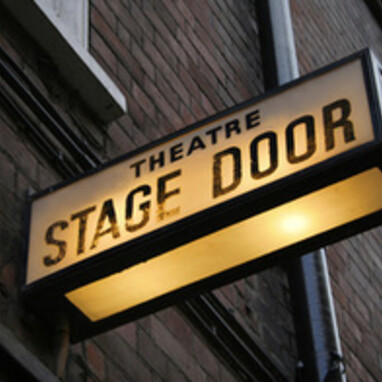
- Theatre, Musical Theatre, Opera
- Dance
- Exhibitions, Events, Festivals, Technical Productions
- Visual Arts
- Spoken Word, Poetry, Storytelling, Stand-up Comedy
- Music – Mass Participation and Community-Based (Choirs, Brass Bands, Traditional Music)
- Music – Modern Sounds (Pop, Amapiano, Rock, Kwaito, Hip Hop, Bacardi) Including Recording and Business Management
- Music – Goema, Kaapse Klopse and Folk
- Books and Publishing – Content Developers and Creators
- Books and Publishing – Manufacturing and Distribution
- Film, Cinema and Television
- New Media
- Animation and Gaming
- Product, Jewellery, Fashion and Textile Design
- Craft
- Communication Design and Interior Design
- Arts Education
The clusters have been established to:
- Create sector-specific advocacy bodies that represent the interests of practitioners nationally;
- Foster collaboration between creatives, industry bodies, training institutions, and government agencies;
- Enable targeted funding and policy interventions to address the needs of each sector;
- Support cultural exchange and market development locally, regionally, and internationally;
- Integrate traditional and contemporary practices into a cohesive national creative strategy.
Each cluster will operate as a recognised platform within the national creative economy framework, with leadership structures, membership representation, and formal channels for engagement with DSAC and other stakeholders.
Through the clusters, creative professionals will gain:
- Access to industry-specific training and skills development programmes;
- Increased visibility and market opportunities;
- Representation in policy formulation and funding allocation;
- Platforms for networking and collaborative projects;
- Support in intellectual property management and export readiness.
The Department calls upon all creative practitioners, cultural organisations, and industry stakeholders to engage with and participate in their relevant clusters, contributing to a united and thriving cultural and creative sector.
“The strength of these clusters lies in the collective voice and vision of the creative community,” the Minister added.
“Together, we can ensure that our arts, heritage, and cultural industries not only survive but thrive in a rapidly changing world.”
The respective sectors will provide further communication and guidance on opportunities for public participation as creatives in due course.
Enquiries:
Ms Stacey-Lee Khojane
Spokesperson: Office of the Minister of Sport, Arts and Culture
Email: StaceyK@dsac.gov.za
Cell: +27 77 608 7579
Ms Zimasa Velaphi
Head of Communication and Marketing: Department of Sport, Arts and Culture
Email: ZimasaV@dsac.gov.za
Cell: +27 72 172 8925
#GovZAUpdates