Making human dignity real means ensuring no one is left behind
BY
31.03.26
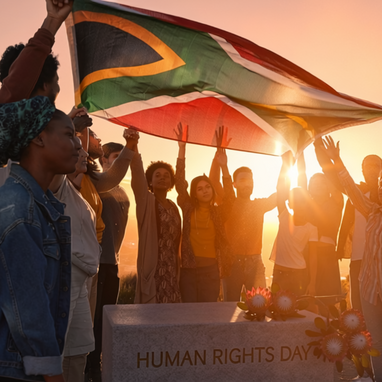
This year’s Human Rights Month coincided with the celebration of 30 years of the adoption of the Constitution. The Republic of South Africa's Constitution, which aims to protect everyone's rights and freedoms and affirm equality between men and women and people of all races, is based on the principles of non-racialism and non-sexism, social cohesion and nation building, tolerance, diversity, and equality. As we reflect on the importance of turning rights into lived realities, Human Rights in the cultural and creative industries in South Africa represent a vital intersection of art, activism, and societal transformation, deeply rooted in the country’s tumultuous history and ongoing struggles for equality. The state of human rights in South Africa's cultural and creative sectors today is characterised by serious problems such as censorship, the marginalisation of some communities, and financial instability for artists. Since many artists work as independent contractors, they are susceptible to exploitation and may not have access to necessary labour rights. This year’s theme, “Bill of Rights at 30: Making Human Dignity Real” encompasses efforts to leverage the country's vibrant creative industries as a means to foster social inclusion, economic growth, and cultural expression. The Arts, Culture and Heritage (ACH) sectors have emerged as a powerful tool for addressing inequality and enhancing human dignity in a post-apartheid landscape. Data from the South African Cultural Observatory (2025) shows that, excluding Sport, the sector contributes 3% and employs just over 1.3 million creatives and is increasingly recognised for its potential to drive urban regeneration and create sustainable livelihoods for marginalised communities. National artists such as Sethembile Msezane and Penny Siopis uses performance art to create counter-memorials, such as Chapungu – The Day Rhodes Fell (2015), which addresses the colonial figures dominating public spaces and engages with "History Paintings" that interrogate the lingering effects of colonial and apartheid discourse, particularly focusing on the erasure of Black women's lives thus challenging prevailing narratives and amplifying African voices in global discourse.
Despite targeting the land and its resources, racism became deeply ingrained in the societal fabric as a result of the apartheid regime's demonisation of African culture. Since apartheid, the Eurocentric foundation of art history, appreciation, and art writing has been contested in South African art debate. Artist-writer-curator David Koloane has often raised concerns about the racial framings in which Black artists are spoken about negatively. He elaborates on this in his article “Art Criticism for Whom? where he urges that “It is interesting to note that the reviews on black artists’ work contain an implicit concern whereas the one on white artists’ work is decidedly affirmative and positive”. In 2018, Thembinkosi Goniwe's billboard piece for Returning the Gaze speak to institutional racism. The project which took 5 years from 1998 to 2003, was an arts-based response to the challenges of the time: working with black cultural workers and artists in a divided Cape Town, within a transforming South Africa. Today on Human Rights Day, we reflect on the importance these lived realities and turning them into everyday rights. Given the vibrant arenas for activism and advocacy, with artists increasingly recognised as defenders of human rights, the CCI’s has always been advanced as a means to diversifying the labour market and firm ownership. Since success depends on individual talent, perhaps more than on formal training or class related advantages, the sector might be more inclusive of social groups that face a disadvantage in more traditional industries.