Nal’ibali – a way to close the literacy gap in South Africa
BY
30.09.26
Umntwana womgquba a term traditionally used in the Nguni language that means “born out of wedlock,” but nowadays it is used to emphasise that one is born kwisintu. As lontwana, I look back on my own adventures: sometimes I pat myself on the back, and sometimes I wish I could redo them. South Africa’s transition from apartheid to democracy in the mid-1990s created an environment in which libraries and literacy initiatives could be reimagined within a more inclusive framework. After the 1994 democratic elections and the adoption of an interim constitution, a permanent constitution took effect in the following years, with broad aims of inclusivity and transparency that shaped national library and information policies. The SA government programs and initiatives after 1994 highlighted the value of indigenous languages in cultural life and public libraries. Public libraries have been described as guardians of culture and heritage, producing and providing reading materials in indigenous languages to reflect linguistic diversity. Through these initiatives and programs, I could walk into a library and access multiple books; however, as umntwana womgquba, unfortunately for me, there were no indigenous books to help me better understand intsusa yam. This month we celebrated literacy, a month dedicated to celebrating the joys and benefits of reading. Research shows that low literacy rates can create significant barriers in a person's life. It can make it difficult for an individual to complete day-to-day tasks and participate in their community. UNESCO states that Literacy is a fundamental human right for all. It opens the door to enjoying other human rights, greater freedoms, and global citizenship. Literacy is a foundation for people to acquire broader knowledge, skills, values, attitudes, and behaviours to foster a culture of lasting peace based on respect for equality and non-discrimination, the rule of law, solidarity, justice, diversity, and tolerance, and to build harmonious relations with oneself, other people, and the planet.
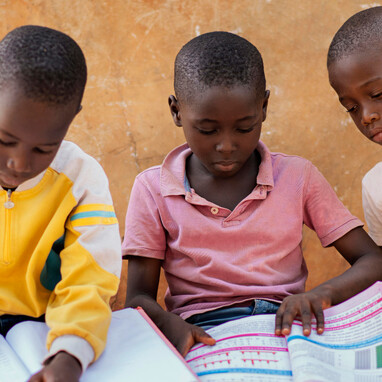
Celebrated under the theme Books of our Lives, the national book week embarked on a creative campaign which reveals to South Africans the many ways in which books remain our faithful companions on the road of life, prodding us, guiding us, teasing us, and sweeping us away into history, fantasy and the inner lives of others so different, and yet so similar, to ours. According to the Department of Basic Education, only 31% of Grade 1 pupils meet the home language reading benchmark, while South African government reading statistics show that only 14% of the population are active book readers, and a mere 5% of parents read to their children. Nationally, persistent funding constraints limit both the procurement of current, relevant materials and the ability to recruit and retain qualified teaching and library staff, undermining ongoing access to reading resources. In my region, only a small fraction of public schools has functioning libraries, repeatedly underscoring a broader shortage of library infrastructure, trained librarians, and age-appropriate materials. While recognising the value of reading and home-language materials, government strategies have not fully closed the gap in accessing broad reading materials or in ensuring libraries receive ongoing support beyond occasional donor contributions. In most regions, access inequities extend beyond school libraries. In many communities, safe, walkable access to public libraries is limited and, in most cases, these libraries have been vandalised as the communities continue to fight for basic needs.
Though solvable, the literacy gap remains an urgent and unaddressed crisis in education. According to the latest SACO mapping study 2025, the Books and Press domain contributes approximately 24 billion (Zar) to SA GDP and employs over 350 000 practitioners, ranging from writers to librarians to publishers. In conclusion, policies aimed at improving reading and learning outcomes should explicitly recognise the value of instruction and literacy development in learners’ first languages. A strong rationale for mother-tongue instruction is that learning in a learner’s home language can be more thorough and efficient, supporting cognitive development and transfer to second-language literacy and subject-matter knowledge.