Creative Youth, The Future of the Cultural and Creative Industries
BY
10.12.25
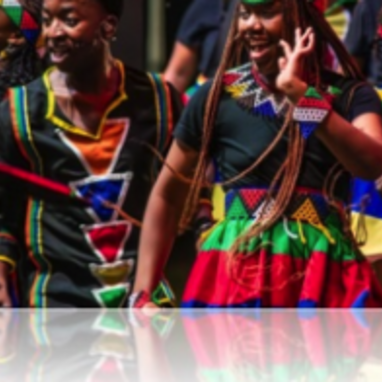
Photo by: Ndlovu Youth Chair
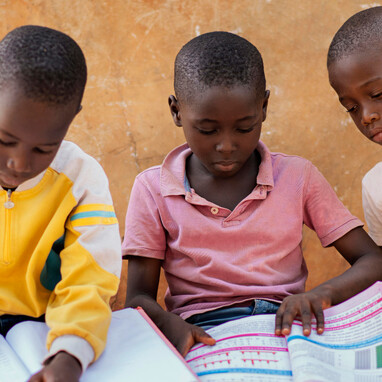
Following the dawn of a new South Africa in 1994, young people embraced their newfound freedoms by expressing their identities and viewpoints through a variety of cultural disciplines, including music, fashion, performance, and the visual arts. This generation’s engagement with creative industries not only reflects the rich tapestry of the country’s cultural heritage but also serves as a meaningful response to both historical injustices and contemporary social challenges. This dynamic interplay makes South African youth culture an important area to explore and understand.
The creative expressions of South African youth are marked by a bold fusion of traditional values and global influences, showcasing their innovative and future-facing approach to artistic creation. Brands such as Maxhosa Africa illustrate this beautifully, placing a modern twist on traditional attire by referencing and reimagining Xhosa beadwork aesthetics. Over time, the brand’s vision has expanded to embrace motifs and inspirations from a range of African cultures, reinforcing the idea that heritage can evolve while remaining rooted in identity.
In the world of music, genres like kwaito have become powerful vehicles for young people to articulate their lived experiences, frustrations, and aspirations. As a sound born in post-apartheid South Africa, kwaito reflects the rhythms of urban youth culture and its complex realities, highlighting the centrality of the cultural and creative industries (CCI’s) in shaping social narratives and cultural identity. Today, new genres such as amapiano continue this tradition, pushing boundaries and placing South African youth culture on global stages.
Collectively, these creative contributions demonstrate that the youth remain at the heart of South Africa’s cultural innovation. Their voices, artistic practices, and entrepreneurial drive continue to redefine what is possible within the CCI’s, positioning them as key drivers of cultural preservation, cultural evolution, and economic growth.
SACO’s recently concluded Youth Led Workshop in the North-West found out that there is a need for creative colleges, higher education and training institutions to align their planning with the South African Government’s agenda to ensure that young people are capacitated and mentored in the ACH sectors. Local municipalities will also need to come to the party by organising capacity-building programmes aimed at facilitating assistance for the youth. Programs such as "the BASA debut Fund and DSAC PESP 6” are designed to track key performance indicators, such as participant engagement and the diversity of art forms explored, ensuring that initiatives are aligned with the needs of young South Africans. By fostering collaboration between private enterprises and public institutions, the industry can work towards building resilient business models that support young creatives and address their unique challenges.
To found out more in the Youth Led Report click on the link: https://www.southafricanculturalobservatory.org.za/download/1082