Open Source: UNESCO adopts guidelines to protect artists and diversify cultural content on the internet
BY
19.06.17
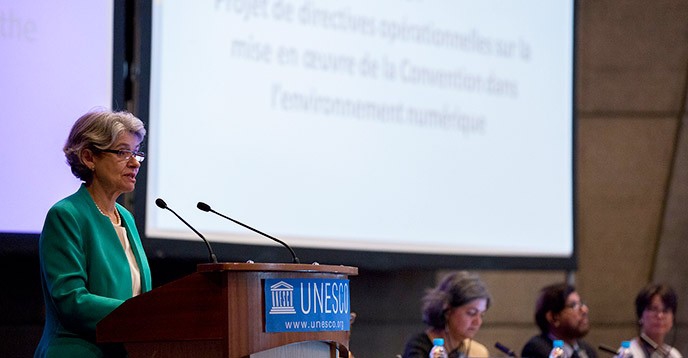
UNESCO adopted guidelines to protect artists and diversify cultural content on the internet last week (June 2017). The guidelines address the need to ensure an inclusive offer of content to the public that will not discriminate against cultural goods on the basis of provenance, language or social factors. They also reaffirm the need to respect human rights in the digital environment, notably freedom of expression, artistic freedom and gender equality.
The guidelines are the fruit of five years of research and debate with experts, governments and civil society on the challenges and potential created by the expansion of social networks and user-generated content, the proliferation of multimedia devices and the emergence of powerful web-based companies. These factors mean the digital environment requires new business models for e-commerce and streaming, for example, and reinforced policies to protect copyright.
The need to protect internet freedom while ensuring that content-producers are fairly remunerated has been gaining increased attention, particularly thanks to civil society.
On 12 June, several civil society representatives called on the international community to strengthen legislation worldwide. This happened during an event co-organized by UNESCO and the International Confederation of Societies of Artists and Composers (CISAC), which represents four million artists worldwide.
Norweigan filmmaker and UNESCO Goodwill Ambassador Deeyah Khan described the financial difficulties many artists face, “in no other profession would you be expected to work for free,” she said.
French composer Jean-Michel Jarre, UNESCO Goodwill Ambassador and President of CISAC further argued that “we urgently need a new business model to ensure fair pay for artists or we simply won't have the next Victor Hugo, Coldplay or Stanley Kubrick”. Reas more here.
Download the full report here.