
The arts sector is economic gold
The arts and culture sector is at the frontline of freedom of expression. It is not only a barometer of a healthy democracy but also a significant employer in South Africa.
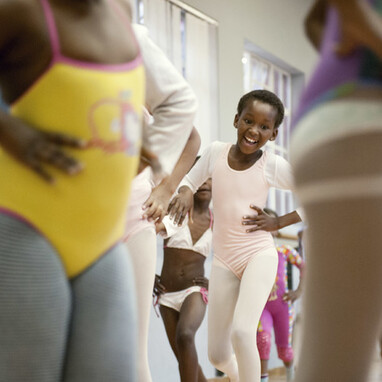
The arts and culture sector is at the frontline of freedom of expression. It is not only a barometer of a healthy democracy but also a significant employer in South Africa.

The application period for 2020/2021 Mzansi Golden Economy (MGE) funding from the Department of Arts and Culture has been extended from 11th to 18th November 2019.

The DAC bursary programme at the Nelson Mandela University wishes to inform all prospective language studies students that the DAC bursary programme for 2020 is now open.

The main function of museums has traditionally revolved around collecting, preserving, researching and displaying objects. To control a museum means precisely to control the representation of a community and its highest values and truths. It is also the power to define the relative standing of individuals within that community. Museums are more than containers of things; rather, they are complex reflections of the cultures that produced them, including their politics, social structures, and systems of thought. Cultural institutions, like museums, can be powerful in telling the “authorised” version of our histories, in shaping national identity and in building social cohesion, as well as contributing to education and research through their collection, archiving and conservation of artefacts.
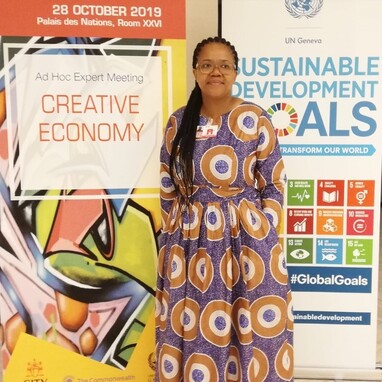
The SA Cultural Observatory Executive Director, Unathi Lutshaba & Head of Research, Prof Jen Snowball participate in UNCTAD’s Creative Economy Ad Hoc Expert Meeting in Geneva. The meeting was first of its kind & was aimed at bringing together experts from various countries to discuss the relationship between creative industries and economic development.
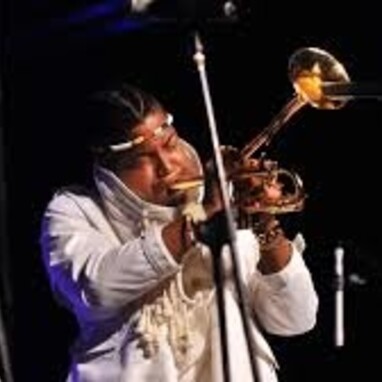
Every other year as we celebrate heritage month in September, South Africans are spoilt for choice of arts, heritage and cultural experiences. With our rich heritage, we have a wide variety of cultural consumptions to feast on.

As we celebrate heritage month, as we visit various heritage sites, as we remember the journey walked and traversed by our forebears, it is wise to take to heart the words of the Spanish philosopher and essayist George Santayana when he said that “those who do not remember their past are condemned to repeat their mistakes, and those who do not read history are doomed to repeat it”.
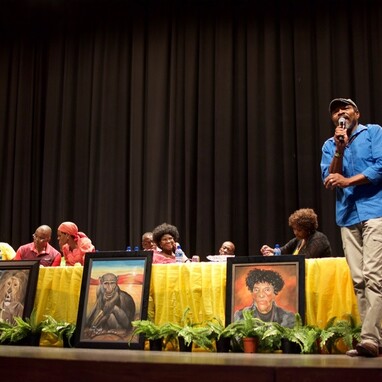
In order to support the growth of the industry, the Department of Sport, Arts and Culture continues to invest substantial resources in the sector. The Department has invested over R13 million to assist the Cultural and Creative Industries Federation of South Africa (CCIFSA).
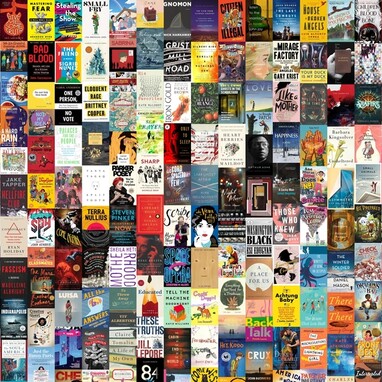
Various partners have come together to do their bit to encourage and engender the culture of book reading. During the month of September the Department of Sport, Arts and Culture, the South African Book Development Council (SABDC), Exclusive Books and Bargain Books all participated in initiatives to encourage South Africans to buy and read books.

At a recent SA Cultural Observatory workshop in the Vhembe district in Sibasa, Limpopo, we came across the definition of an artist- Mr Avhashoni Mainganye. Currently based at the Vhembe Arts and Culture centre in Thohoyandou, the unassuming Mainganye is an accomplished painter, printmaker, sculptor, photographer, arts teacher and mentor with more than 30 years’ experience in the industry.

Thandi Ntuli could be described as one of the few young musicians barking the trend with her talent and love for the genre of music that is jazz. This is genre that is not so popular with young artists.
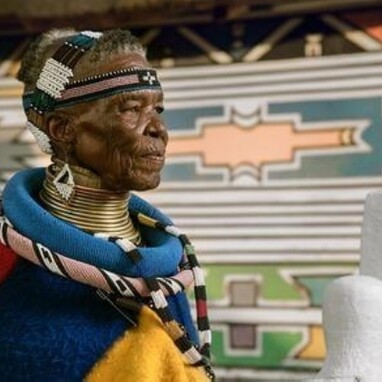
At her advanced age (83), Dr Esther Mahlangu is still making a significant impact in the world of arts. She was last month bestowed with the award of Officier de L'Ordre Arts et Lettres (Officer of the Order of Arts and Letters) by the French ambassador to South Africa